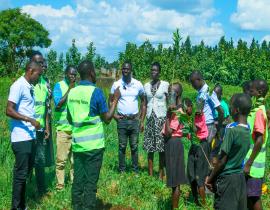
Why we must engage children in climate awareness early


Children are among the most vulnerable populations affected by climate change. From rising temperatures and air pollution to food insecurity and displacement, these impacts disrupt their health, education, mental well-being and overall development. Addressing these challenges requires more than technical solutions, it demands raising a generation that is emotionally aware, critically engaged and prepared to lead.
Why Early Climate Education Matters:
1. Builds Emotional Awareness
Introducing climate topics early helps children process complex emotions like fear, empathy and hope, allowing them to develop emotional intelligence and resilience.
2. Shapes Lifelong Habits
Instilling sustainable behaviors in children encourages eco-conscious habits that persist into adulthood whether it’s conserving water, reducing waste or choosing greener transport.
3. Fosters Critical Thinking
Climate change is a multifaceted issue. Encouraging children to ask questions and think critically helps them understand interconnected systems and seek creative solutions.
4. Prepares Future Leaders
Today’s children are tomorrow’s decision-makers. Equipping them with climate knowledge empowers them to advocate for and implement change in their communities and beyond.
5. Encourages Family and Community Engagement
Children often influence their families. When they learn about sustainability, they spark conversations and inspire collective action at home and in their neighborhoods.
6. Supports Mental Health and Emotional Resilience
Climate anxiety is real, even among the young. Providing tools for understanding and action helps children feel more in control and hopeful about the future.
7. Aligns with Global Goals
Climate education directly supports the UN’s Sustainable Development Goals (SDGs), particularly those related to quality education, climate action and good health and well-being.